Safety Considerations for Commercial Concrete Sawing and Removal
People seeking commercial concrete sawing and removal often want safe, efficient solutions; local contractors can handle these jobs while prioritizing safety considerations for the project.
Property owners exploring options for commercial concrete sawing and removal often recognize the importance of safety considerations to ensure smooth and secure project execution. Whether undertaking renovations, structural modifications, or demolition, understanding the potential hazards and proper safety protocols can help prevent accidents and protect everyone involved. Local service providers specializing in concrete sawing and removal are well-versed in these safety practices, making them valuable resources for property owners seeking reliable and responsible solutions.
Keeping safety at the forefront is especially critical in busy commercial settings or when working around existing structures. Local contractors who focus on concrete sawing and removal prioritize safety measures that minimize risks during the process, from managing dust and debris to operating heavy equipment safely. Property owners interested in these services can benefit from connecting with experienced professionals who understand the importance of safety considerations for commercial concrete sawing and removal, ensuring the project proceeds efficiently while maintaining a secure environment.
- Commercial building renovations-local contractors can handle concrete sawing and removal with safety measures that prevent structural damage and protect workers.
- Roadway and sidewalk repairs-local service providers approach safety considerations for commercial concrete sawing and removal by implementing proper dust control and equipment safety protocols.
- Utility line installations-local pros ensure safety during concrete cutting and removal by following best practices to avoid damaging existing infrastructure.
- Demolition projects-local contractors prioritize safety considerations for commercial concrete sawing and removal through careful planning and specialized equipment use.
- Flooring modifications-local service providers approach safety by managing dust, noise, and debris during concrete sawing and removal to minimize hazards.
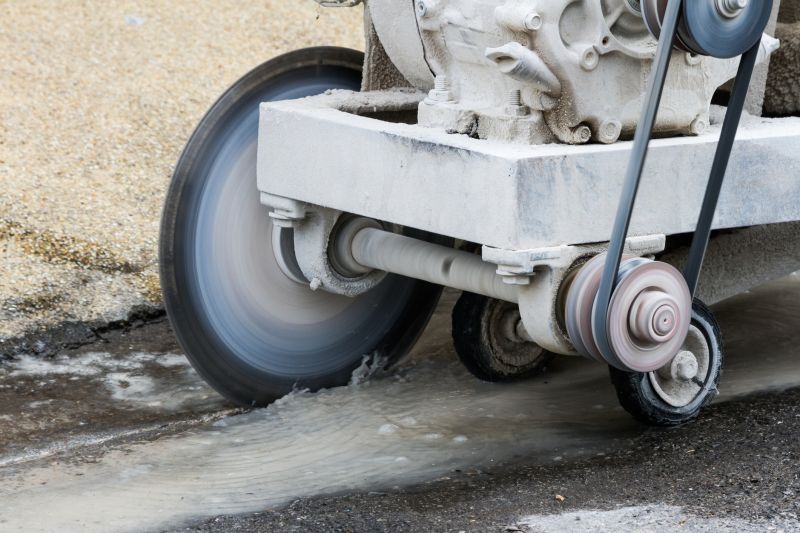
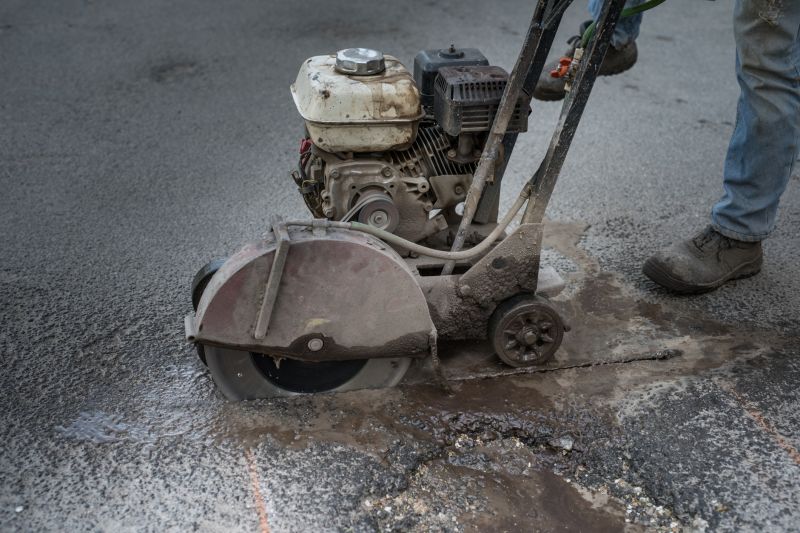
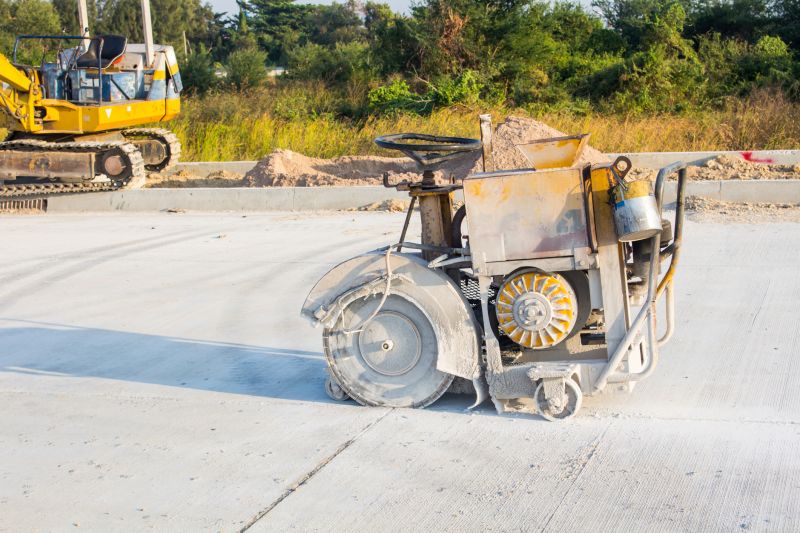
When people search for safety considerations for commercial concrete sawing and removal, they are often looking to understand how to manage potential risks associated with these specialized construction tasks. This topic typically arises during planning phases of projects that involve cutting or removing concrete structures, such as installing new utilities, creating openings for doors or windows, or demolishing outdated sections of a building. The focus is on ensuring that the work is carried out without accidents or damage, especially in environments where safety hazards can be significant. Property owners or project managers want to know how to protect workers, nearby structures, and the surrounding environment during these procedures.
Concrete sawing and removal involve the use of powerful equipment that can generate dust, noise, vibration, and debris, all of which can pose safety challenges if not properly managed. Common problems include the risk of structural instability, accidental damage to existing utilities, and exposure to hazardous dust or noise levels. Planning for these jobs often requires careful assessment of the site conditions, understanding the load-bearing aspects of the concrete, and implementing safety measures to prevent accidents. Local service providers experienced in commercial concrete sawing and removal are well-versed in these safety considerations and can help property owners develop plans that minimize hazards while ensuring the job is done efficiently.
The types of properties that frequently come up in discussions about safety considerations for concrete sawing and removal include commercial buildings, industrial facilities, parking garages, warehouses, and large-scale retail centers. These properties often feature concrete floors, walls, or foundations that require cutting or removal for renovations, expansions, or maintenance. Because these environments typically involve multiple utility lines, structural elements, and high foot or vehicle traffic, safety becomes even more critical. Local contractors familiar with these property types understand the unique safety challenges they present and can implement procedures that protect both workers and the property itself during the project.
Understanding safety considerations for commercial concrete sawing and removal is essential for ensuring a successful project. Property owners and project planners should recognize the importance of working with experienced local service providers who prioritize safety protocols and proper equipment use. These professionals can assess the site for potential hazards, recommend appropriate safety measures, and execute the work with attention to safety standards. Connecting with local pros ensures that the project adheres to safety best practices, helping to prevent accidents, damage, and disruptions while completing the concrete cutting or removal tasks effectively and securely.
Asphalt Cutting Projects - Local contractors specializing in asphalt cutting often utilize similar saws and safety protocols as those used in concrete sawing, emphasizing safety considerations for proper operation and hazard prevention.
Demolition and Debris Removal - Demolition services involve precise cutting and removal techniques that require careful planning and safety measures comparable to commercial concrete sawing and removal tasks.
Foundation Excavation - Foundation excavation projects involve cutting through concrete and other materials, making safety considerations vital for protecting workers and ensuring structural integrity.
Structural Steel Cutting - Cutting structural steel involves heavy-duty tools and safety precautions similar to those used in concrete removal, focusing on hazard management and proper handling.
Parking Garage Renovation - Renovation projects for parking garages often include concrete cutting and removal, requiring adherence to safety protocols to manage dust, noise, and structural stability.
Industrial Flooring Removal - Removing old industrial flooring involves cutting through tough materials with safety considerations that align closely with commercial concrete sawing and removal practices.
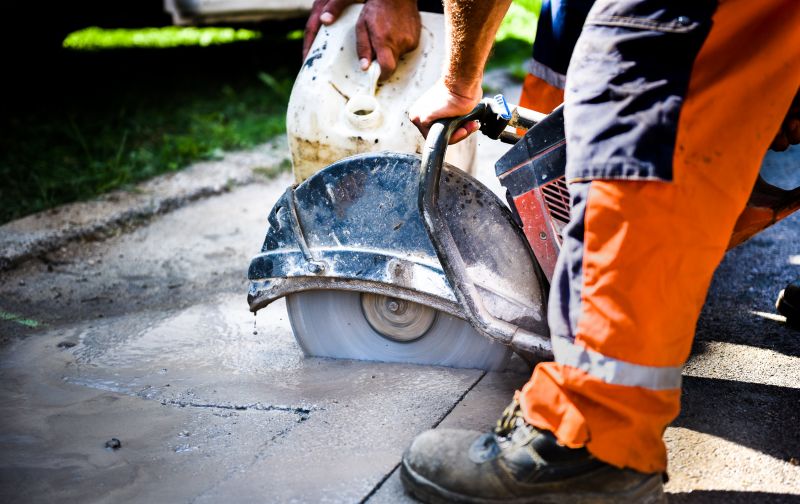
When evaluating service providers for commercial concrete sawing and removal, it is important to consider their experience with similar projects. Homeowners should seek out local contractors who have a proven track record of handling projects comparable in scope and complexity. An experienced contractor is more likely to be familiar with the safety considerations specific to various types of concrete removal, such as working around existing structures or utilities. Reviewing the types of projects a contractor has completed can help ensure they possess the practical knowledge needed to navigate safety challenges effectively.
Clear, written expectations are essential when comparing local contractors for concrete sawing and removal services. A reputable service provider should be willing to provide detailed descriptions of their methods, safety procedures, and the scope of work. This transparency helps homeowners understand how safety considerations are integrated into each phase of the project and ensures that everyone is aligned on responsibilities and safety protocols. Having expectations documented in writing also provides a reference point for accountability and helps prevent misunderstandings.
Reputable references and good communication are vital indicators of a reliable contractor. Homeowners should ask for references from previous clients who had similar projects, especially those that involved safety-sensitive work. Talking to past clients can reveal insights into how well the contractor manages safety considerations and communicates throughout the process. Effective communication ensures that safety concerns are addressed promptly and clearly, reducing the risk of accidents or misunderstandings. Choosing local service providers known for their professionalism and responsiveness can make a significant difference in maintaining safety standards during concrete sawing and removal projects.
Property owners often search for safety considerations for commercial concrete sawing and removal when they are planning practical projects around their homes and businesses. Local pros provide Commercial Concrete Sawing and Removal services for everyday jobs and straightforward project options.
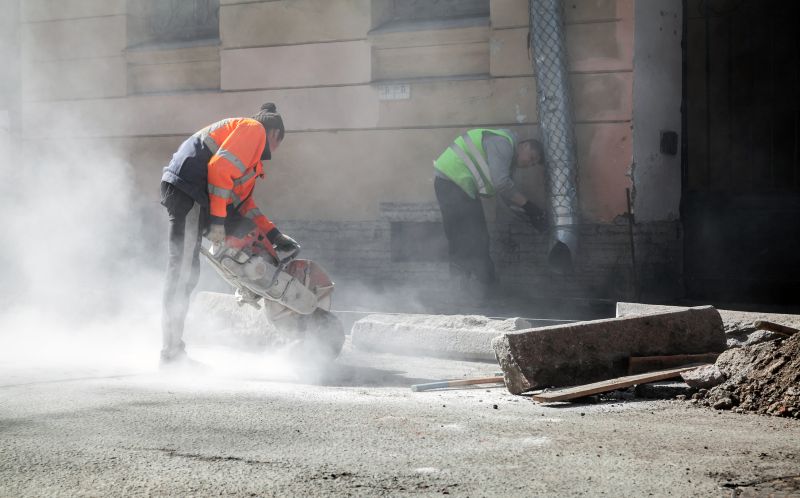
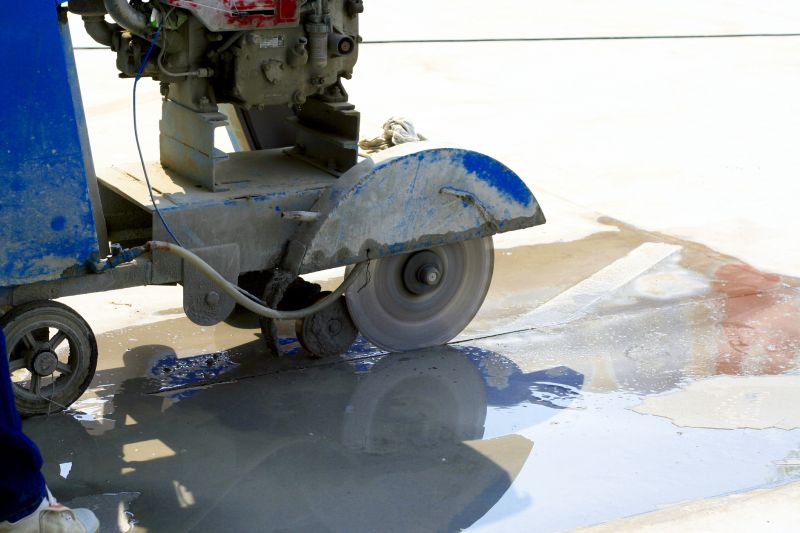
Safety considerations for commercial concrete sawing and removal are essential for property owners undertaking renovation or construction projects. In everyday situations, such as removing a section of concrete for plumbing or electrical work, understanding the potential hazards-like flying debris, dust, and noise-can help prevent accidents and injuries. Property owners often seek guidance on how to safely manage these tasks or decide when to hire professional service providers who prioritize safety, ensuring the work is completed efficiently without compromising the safety of workers or nearby occupants.
Engaging experienced contractors for concrete sawing and removal can be a practical approach to addressing safety concerns. Local service providers are equipped with the proper tools and techniques to handle the job safely, reducing risks associated with improper cutting or removal methods. For property owners, connecting with these professionals can provide peace of mind, knowing that safety considerations for commercial concrete sawing and removal are managed by those who understand best practices, allowing the project to proceed smoothly and safely.
What safety precautions do contractors take during commercial concrete sawing and removal? Local contractors typically implement safety measures such as proper equipment handling, dust control, and maintaining clear work areas to minimize hazards during the process.
Are there specific safety considerations related to dust and debris? Yes, professionals often use dust suppression methods and protective barriers to reduce airborne particles and prevent debris from causing injuries or damage.
How do contractors ensure the safety of nearby structures during sawing and removal? Experienced service providers assess structural stability beforehand and use controlled cutting techniques to prevent unintended damage or collapse.
What safety equipment is commonly used during commercial concrete sawing and removal? Contractors typically wear personal protective equipment such as eye protection, ear protection, gloves, and respiratory masks to safeguard against hazards.
Why is it important to hire experienced service providers for safety during concrete removal projects? Skilled local contractors understand safety considerations for commercial concrete sawing and removal, helping to reduce risks and ensure a secure work environment.
Proper equipment handling - Ensuring that commercial concrete sawing tools are used correctly helps prevent accidents and damage during projects, and local contractors can provide guidance on safe operation.
Site assessment and planning - Conducting thorough evaluations of the work area allows property owners to identify potential hazards and plan for safe sawing and removal procedures with the help of local service providers.
Use of safety barriers and signage - Installing barriers and warning signs around the work zone helps keep bystanders safe and alerts workers to ongoing activities, with local pros advising on best practices.
Personal protective equipment (PPE) considerations - Choosing appropriate PPE such as goggles, masks, and gloves is essential for safety, and local contractors can recommend suitable gear for specific projects.
If you are thinking about safety considerations for commercial concrete sawing and removal for a property, this guide is meant to help you understand this topic, the typical project types, and how different options might fit your plans.
When you are ready, you can use the quote form on this page to share a few details about your project. From there, local pros can review the basics and follow up with options that match what you have in mind.